
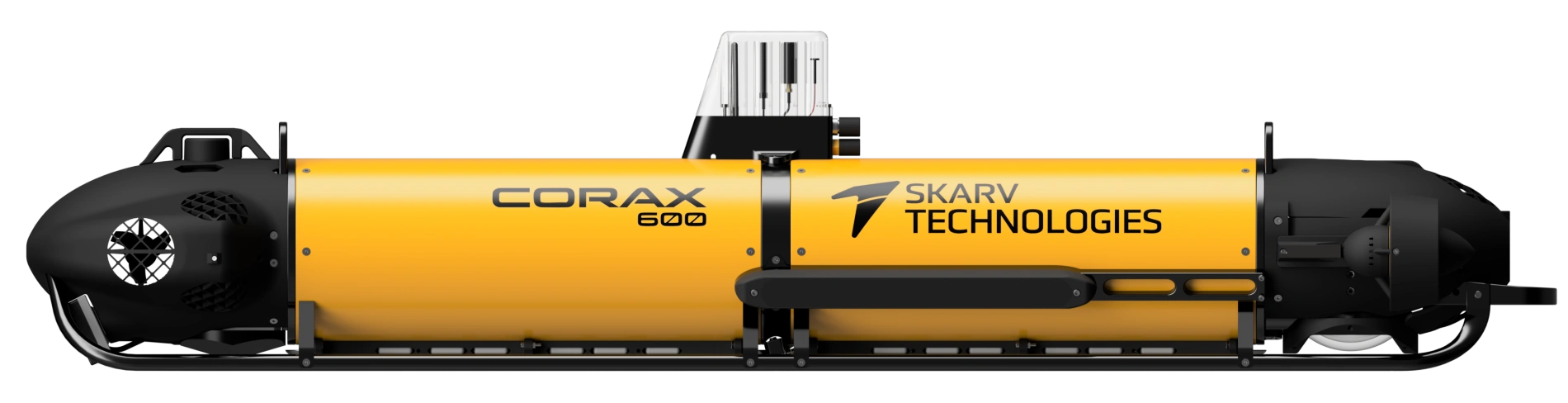
CORAX 600
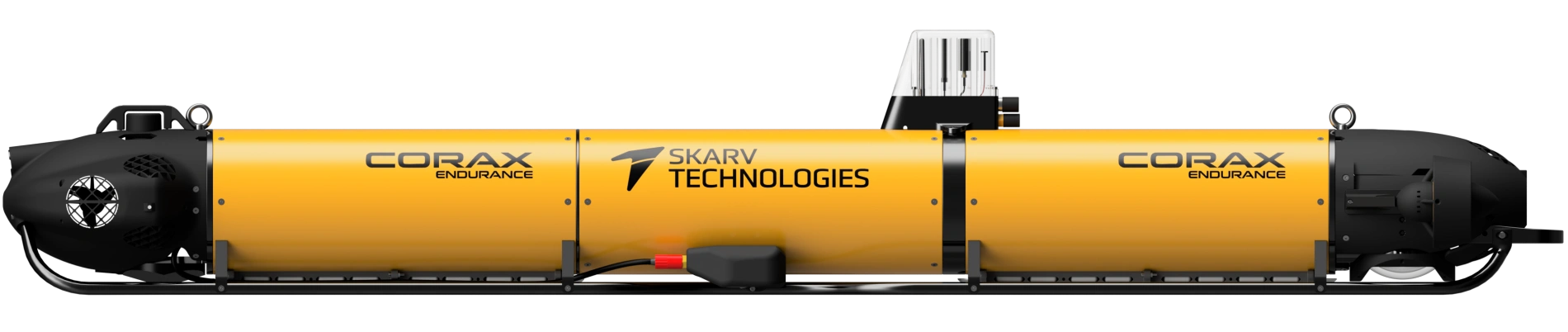
Available to order- Endurance
- Up to 12 Hours
- Storage Capacity
- 1-2 TB on-board storage
- Weight
- ~50 kg
- Dimensions
- ~1.9 × 0.5 × 0.4 m (L×W×H)

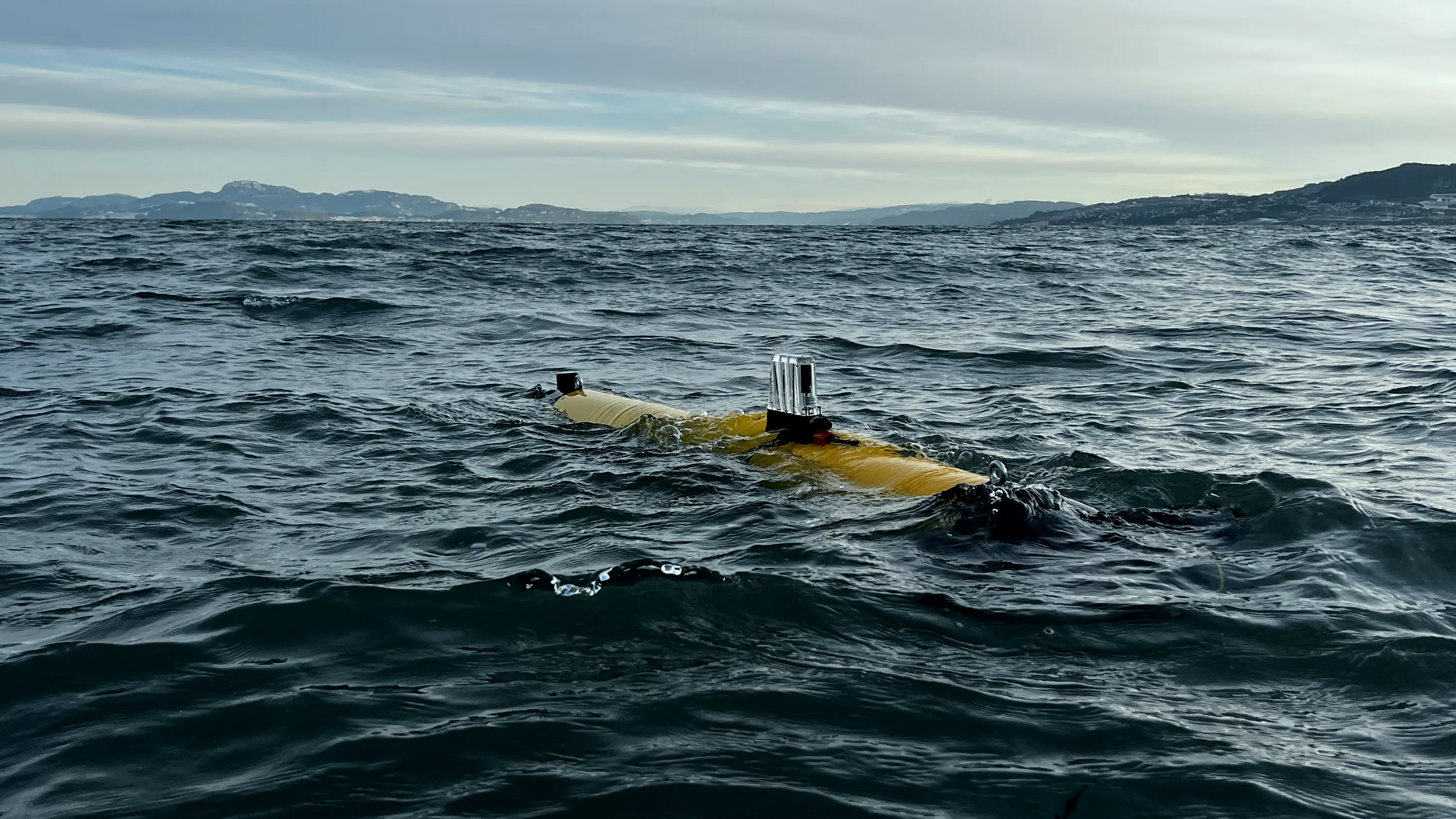

The product line forms an end-to-end AUV system for underwater data gathering and operations such as mine countermeasures. The CORAX AUV detects, images, and classifies objects on the seabed, operating close along the ocean floor where its sensors perform best.
Developed and built in Trondheim, Norway, the vehicles have been proven through NATO's DIANA accelerator and the REPMUS exercise, and in operations with the Norwegian defence sector, aquaculture, and offshore operators.
Vehicles
The CORAX series are low-cost, modular vehicles rated to 600 m. They can be equipped with a full sensor suite, including 4K optics, 3D sonar, multibeam, and bathymetry, and they are deployed, controlled, and recovered from land or vessel by a minimal crew. Each vehicle can also be run as an ROV and extended with mine countermeasure attachments.
The CORAX 600 is the lighter of the two, sized for fast deployment and minimal logistics. The Endurance is handled and operated in exactly the same way, and carries an additional battery module that doubles mission time for larger areas and longer deployments.
Sensing
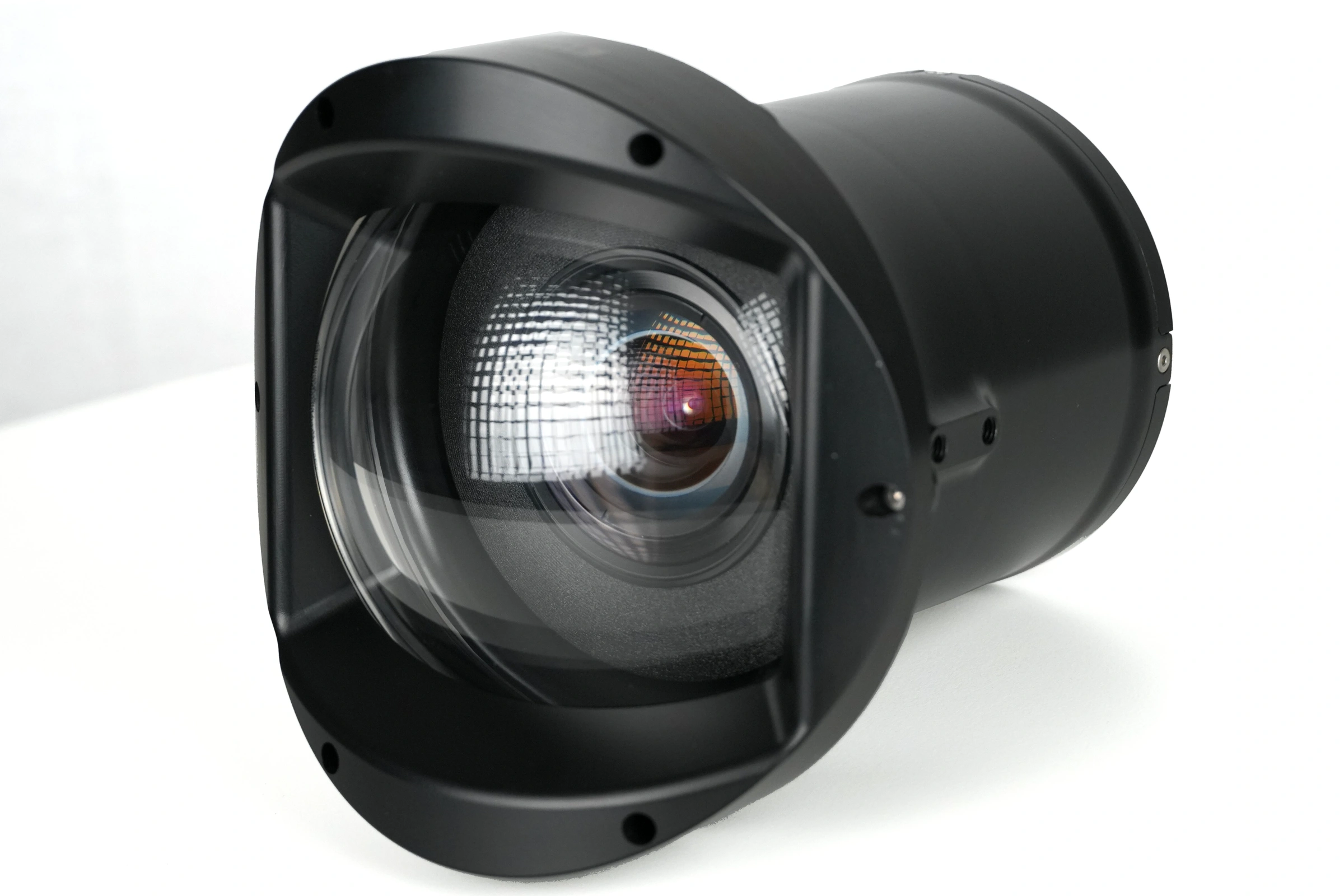
A compact 4K camera built on a 1.1″ global-shutter sensor, with onboard compute and strobe trigger integrated in a self-contained housing. The global shutter holds image geometry while the vehicle is under way, and the imaging chain is engineered to stay dependable in turbid water.
Rated to 1000 m and integrated over gigabit ethernet, it is supplied both as the CORAX imaging payload and as a standalone unit for ROVs, frames, and third-party platforms, with the Skarv software handling processing and data management.
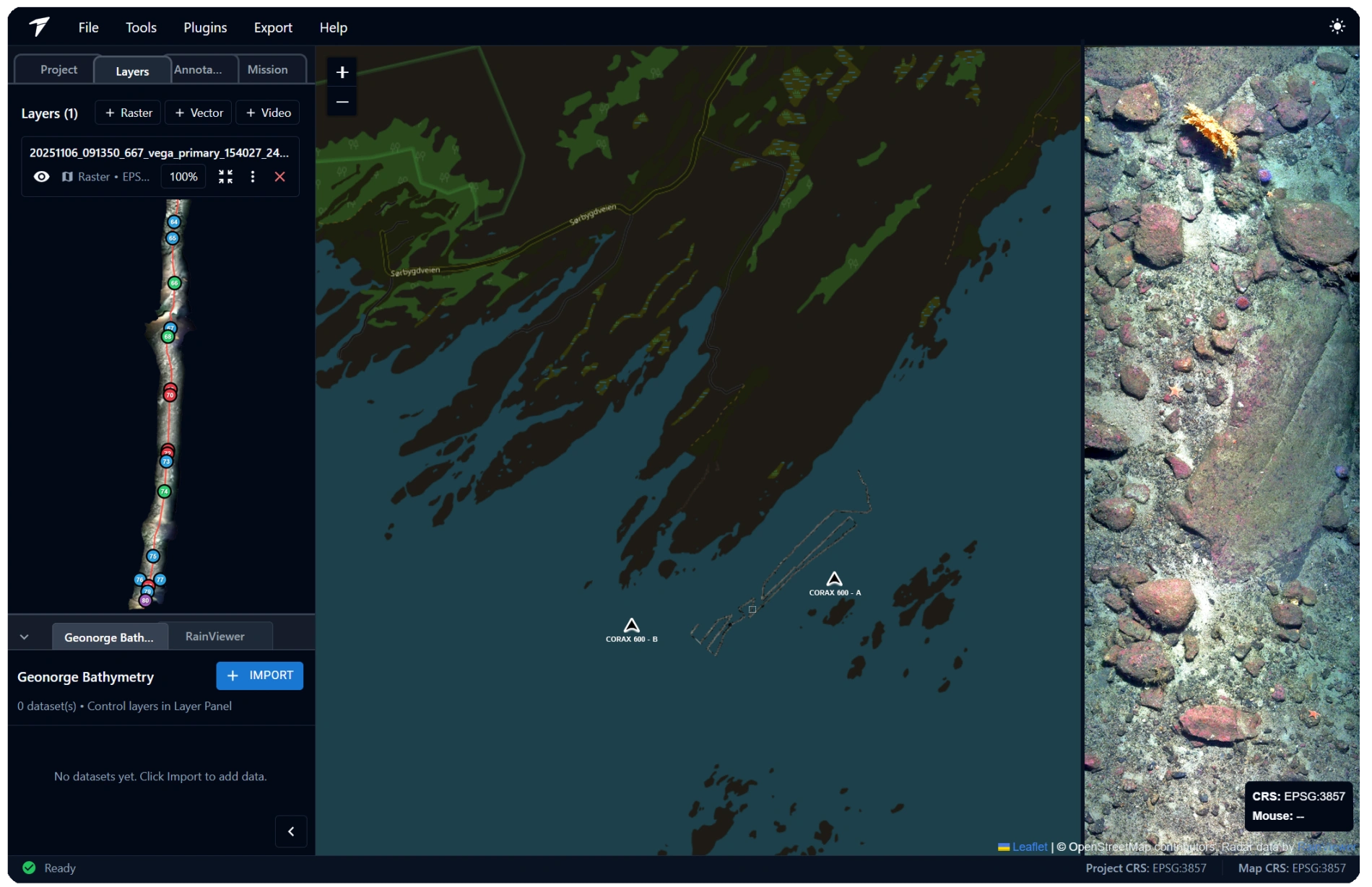
From acquisition to insight
Skarv Software covers mission planning, live monitoring while the vehicle is down, and review of the recorded data. Processing, analytics, and visualization run across optical, acoustic, and time-series data, with tools for 2D and 3D imaging, object detection and classification, image enhancement, and change detection.
It is deployed in the cloud or on an edge appliance, integrates over REST, gRPC, OPC-UA, and WebRTC, and separates operations, engineering, and customer roles behind SAML/SSO with audit logging and encryption at rest.